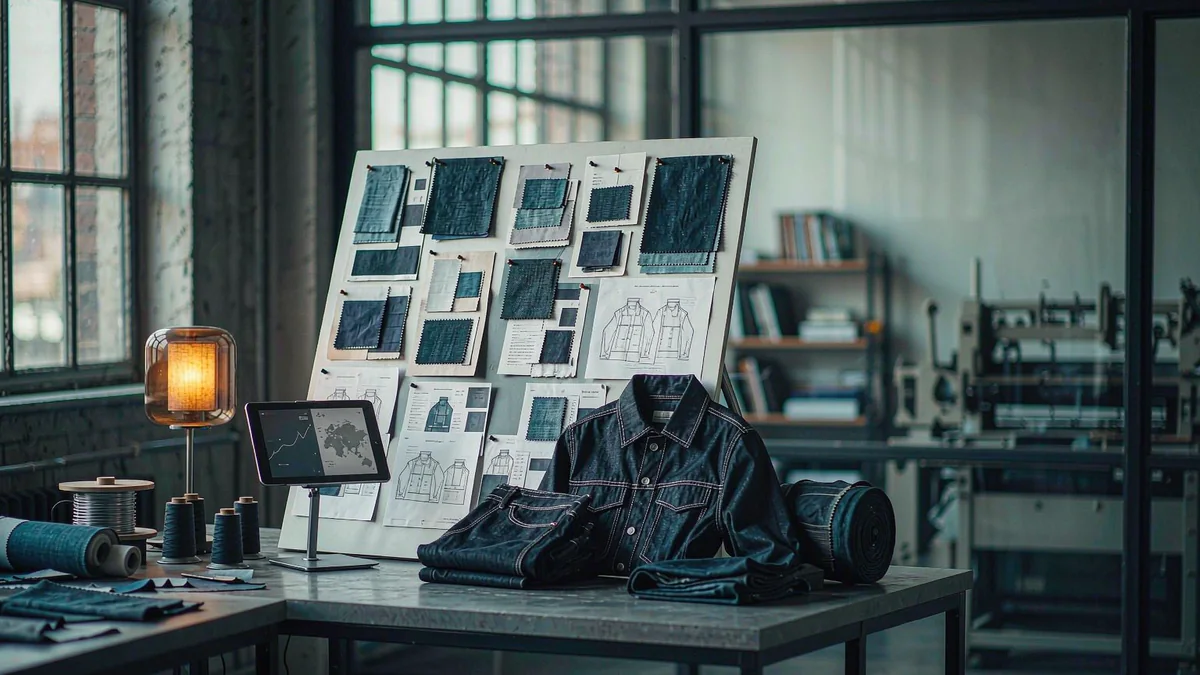
Military Uniform Heritage Puts Technical Menswear Fabrics in Focus
Milliken's $100,000, four-year commitment to a US military uniform exhibit spotlights heritage storytelling. What it may mean for technical menswear sourcing.
What changed
On November 6, 2026, the Milliken & Company Charitable Foundation announced a $100,000 commitment over four years to the Military Women's Memorial in Arlington, Virginia, to sponsor a new uniform exhibit. Textile World reported the announcement on November 8, 2026. The announcement also says Milliken fabrics have been part of US military uniforms for more than 60 years.
This is a cultural sponsorship, not a uniform contract, fabric launch, or procurement-policy change. Its relevance to menswear is the visibility it gives to uniform heritage and the materials associated with it. China was the world's largest apparel exporter in 2025, the latest complete annual data in the supplied trade records. UN Comtrade reports China exported about 1.84 billion units of men's trousers under HS 6203, valued at USD 10.45 billion, and about 335 million units of men's overcoats under HS 6201, valued at USD 4.30 billion. These are export totals, not evidence of demand for military-inspired products or technical fabrics in the United States.
Why it happened
The stated purpose is to sponsor an exhibit recognizing the history of women in the US military. The announcement connects that story to Milliken's long-standing role as a uniform-fabric supplier. This suggests a heritage narrative can bring attention to the provenance and function of uniform textiles, but it does not establish a change in consumer demand or commercial sourcing volumes.
For menswear brands, the plausible connection is product storytelling: fabric origin, durability, and utility can give workwear, overshirts, field jackets, and structured trousers a coherent design rationale. That is an inference from the exhibit's subject and the company's stated uniform history, not a reported sales trend. Buyers should distinguish actual performance specifications from visual references such as cargo pockets, muted colors, or military-style trims.
Who is affected
The most relevant categories are woven overshirts, field jackets, and utility trousers aimed at US consumers in the mid-market and premium casualwear segments. The exhibit announcement does not identify a retail price band, buyer demand, or commercial order size. A reasonable buyer read is to treat this as a product-positioning cue for limited seasonal tests, rather than a basis for expanding a core buy.
For sourcing, the fabric story matters only when the material's performance and documentation support the product claim. A cotton-rich twill can deliver a familiar uniform hand; a blended woven may suit a lighter, easier-care overshirt. These are product-development options, not specifications attributed to Milliken or the exhibit. In factory work, buyers and suppliers settle the fabric, shade, shrinkage, seam construction, and finished-garment measurements through an approved swatch and signed tech pack before bulk cutting.
China's 2025 export figures provide scale context, not a measure of US demand. Men's trousers (HS 6203) were valued at USD 10.45 billion, while men's overcoats (HS 6201) were valued at USD 4.30 billion. The figures cover broad customs categories and cannot isolate heritage-led or technical styles. They also do not indicate the order size a particular brand should place.
What buyers can do now
- Build a small capsule around one functional silhouette, such as a field overshirt or utility trouser, and test the heritage story against a plainly described material specification. Keep claims about origin, performance, and military use tied to documentation and approved product details.
- Request swatches and compare fabric weight, composition, hand, colorfastness, and dimensional stability against the intended garment. Approve the shade and a sealed fit sample before bulk; record the measurement chart, tolerances, and inspection criteria in the signed tech pack.
- Separate the first order by color or style and set reorder triggers from sell-through rather than treating the sponsorship as a demand forecast. Confirm the target market's labeling and import requirements against current official rules before shipment.
When this read-out would be wrong
This interpretation would be wrong if the exhibit attracts attention without changing product discovery or purchase behavior, or if customers see military references as costume rather than useful design. It would also be wrong for a product whose fabric has no substantiated performance or provenance story. The sponsorship announcement itself does not signal a new uniform tender, a commercial partnership for apparel brands, or a change in trade rules. Reassess the test if retail feedback favors simpler casualwear, if the proposed material cannot meet the garment's wear and care requirements, or if the landed cost misses the brand's target price.
Sources
- Textile World: Milliken & Company Charitable Foundation Commits $100,000 To Military Women's Memorial, Sponsoring New Uniform Exhibit
- UN Comtrade: China exports, HS 6203, 2025
- UN Comtrade: China exports, HS 6201, 2025
[clothing suppliers](\clothing suppliers) [clothing manufacturers](\clothing manufacturers) [clothing suppliers in china](\clothing suppliers in china)
Frequently asked questions
Did the Milliken sponsorship create a new military uniform fabric contract?
No. The November 6, 2026 announcement describes a $100,000 commitment over four years to sponsor a Military Women’s Memorial exhibit. It is a cultural sponsorship, not a uniform contract, fabric launch, procurement-policy change, or commercial apparel partnership. Its menswear relevance is the visibility given to uniform heritage and associated textile materials.
How large were China’s 2025 men’s trouser and overcoat exports?
China exported about 1.84 billion units of men’s trousers under HS 6203, valued at USD 10.45 billion, and about 335 million units of men’s overcoats under HS 6201, valued at USD 4.30 billion. These 2025 figures provide broad trade scale only and do not measure US demand for military-inspired or technical menswear.
What fabric details should I approve for a military-inspired menswear capsule?
Approve the fabric composition, weight, hand, colorfastness, dimensional stability, shade, shrinkage, and seam construction through an approved swatch and signed tech pack. For a small capsule, start with one functional silhouette such as a field overshirt or utility trouser. Confirm finished-garment measurements before bulk cutting, and keep performance claims tied to documentation.
Should I expand my core buy based on the uniform heritage story?
No. Treat the story as a product-positioning cue for a limited seasonal test, not as a demand forecast or reason to expand a core buy. Test one functional silhouette, such as a field overshirt or utility trouser, then set reorder triggers from sell-through. The November 6, 2026 sponsorship does not establish commercial order size or retail demand.